Early Screen Time and Attention Span
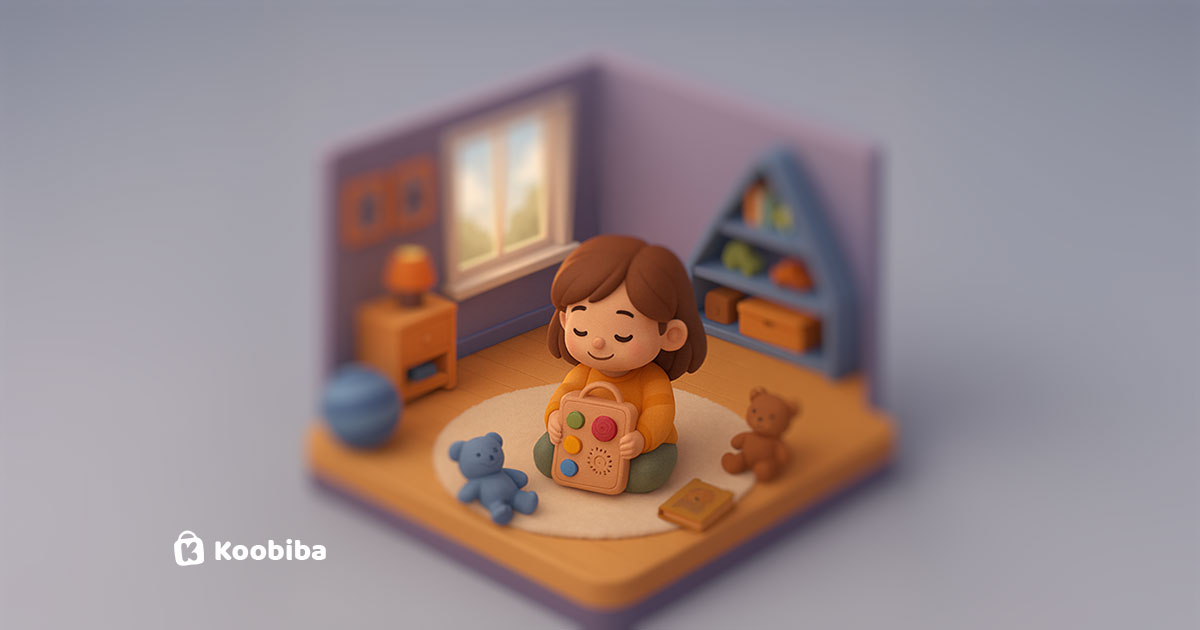
Young children practise attention in slow, everyday moments: building a tower, listening to a short story, helping in the kitchen. Many digital experiences move at a different pace – quick cuts, bright colours, constant novelty.
Recent research suggests that very high screen use in this period is not neutral for attention. A Canadian study with preschoolers found that children who used screens for more than two hours a day were more likely to show inattention and hyperactivity than those with very low use. (Tamana et al., PLOS ONE, 2019)
Another longitudinal study followed toddlers from age 2 to 3. Children with higher screen time at 2 showed slower growth in “executive functions” – the skills behind focus, planning, and self-control – over the following year. (McHarg et al., Frontiers in Psychology, 2020)
These studies don’t prove that screens “cause” attention problems. Family stress, sleep and other factors matter too. But taken together, newer work sees a pattern: heavier screen use tends to go along with more attention and self-regulation difficulties, especially when it replaces sleep, play, or interaction with real people.
What Paediatric Organisations Recommend
Paediatric organisations now give similar guidance. For children under 2, they advise avoiding routine screen use apart from video calls. For ages 2–5, they suggest keeping recreational screen time to an hour a day of high-quality content, balanced with movement, play, and rest. (Canadian Paediatric Society, “Screen time and preschool children”)
The goal is not to ban screens, but to keep them in proportion.
Where Koobiba Fits
Slow, absorbing activities help attention grow: listening to a story, building, drawing, or joining in with tasks at home. Koobiba was designed for exactly this kind of calm focus – stories and music without the visual rush, at a pace that lets children settle in rather than chase the next thing.
It’s a screen-free audio player that gives young children something to listen to, imagine with, and return to on their own terms.
For a broader view of this topic, see our main article: Screens and the Early Years: Why Sound, Story, and Play Still Matter Most.
References
- Tamana, S.K., et al. (2019). Screen-time is associated with inattention problems in preschoolers: Results from the CHILD birth cohort study. PLOS ONE.
- McHarg, G., et al. (2020). Screen Time and Executive Function in Toddlerhood: A Longitudinal Study. Frontiers in Psychology.
- Canadian Paediatric Society (2017). Screen time and preschool children: Promoting health and development in a digital world.